

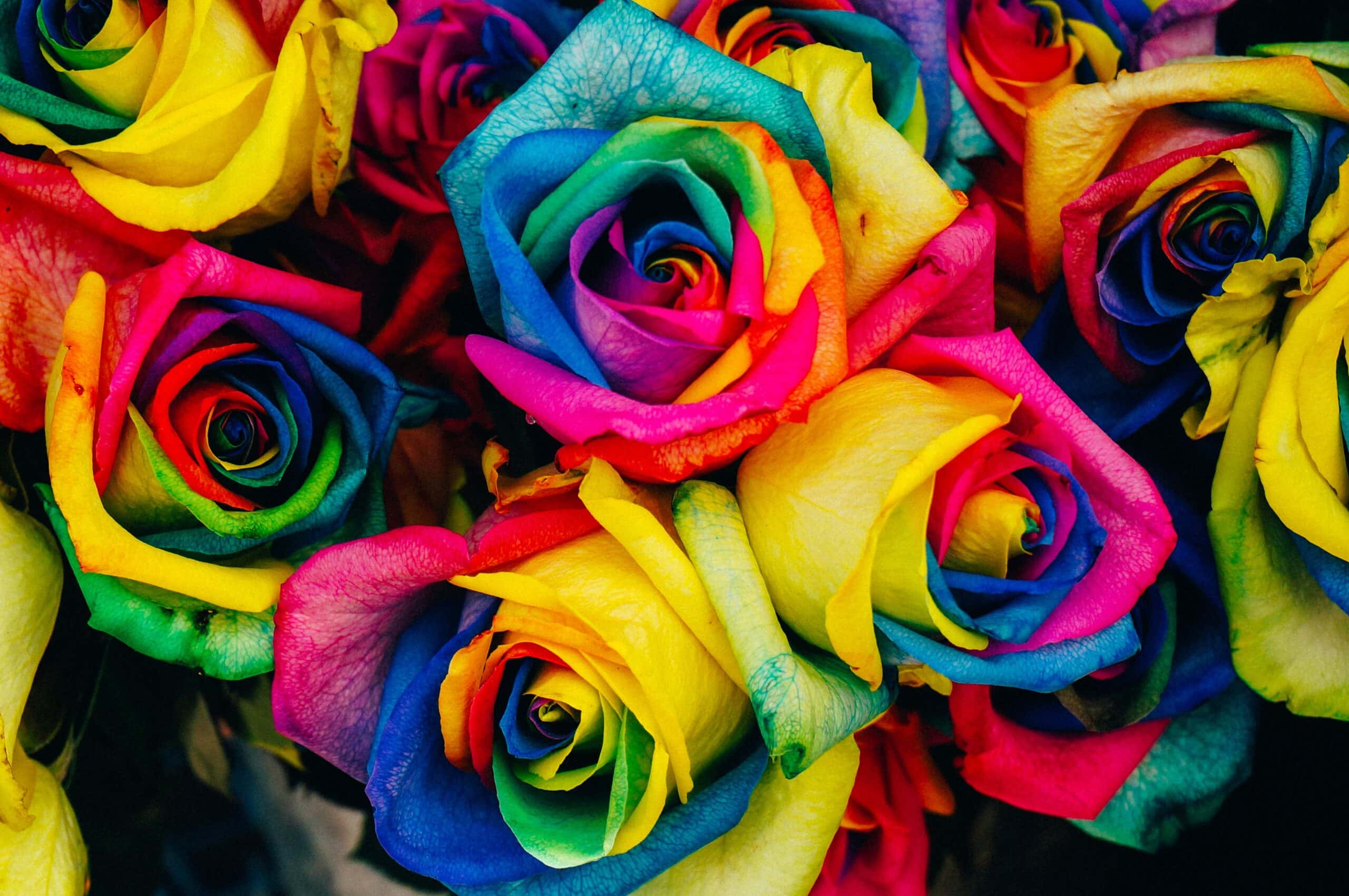
Colour choice is key in floral design, as it usually creates the first impression and overall emotion of the arrangement; be it joyful, soft, or modern. Colours are very special. When it comes to floral design, the colour wheel is an essential tool for florists, and it can be used to create beautiful arrangements for any occasion. By following the tips in this blog post, you can create stunning floral arrangements using the colour wheel!
Florists colour Wheel
As a florist, it's important to be familiar with the color wheel. This will help you create beautiful and harmonious flower arrangements. The colour wheel is composed of primary, secondary, and tertiary colours. We'll start with the primary colours: red, yellow, and blue. From there, we'll move on to the secondary colours, which are created by mixing two primary colours together. Finally, we'll discuss tertiary colours and how they're created. White is considered a neutral colour and can be added to any combination on the colour wheel. So let's get started!
Tertiary colors are created when primary and secondary colours are mixed. Blue-green, blue-violet, red-orange, red-violet, yellow - orange ,and yellow - green are some examples of tertiary colours you can create.
How to Pick Flowers for Your Arrangements
There are many ways to come up with a floral colour scheme, but one inspiration is the flower colour wheel. This is similar to an artist's colour wheel and can provide some beautiful results. Try out one of these methods next time you're putting together a bouquet!
Complementary
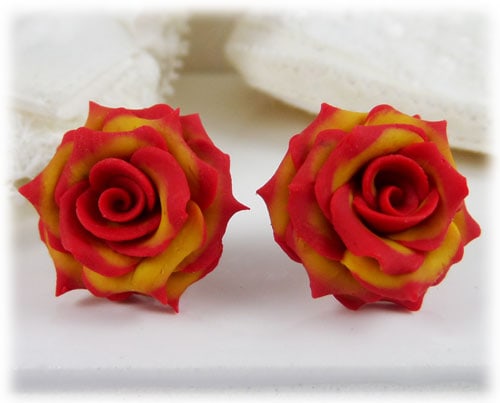
Colours that are opposites on the colour wheel tend to go well together. For example, high-contrast colors like holiday red and green. Or, for summer flowers, try something like fuchsia and chartreuse from the complementary colors of red-purple and yellow-green.
Split Complementary
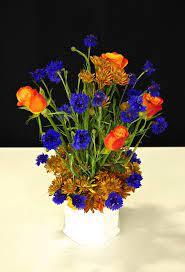
One way to put together a floral bouquet using colours is the split complementary method. With this, you take a colour from one side of the wheel and use two colors next to its opposite on the other side for example, in a complementary arrangement yellow and purple go well together. In contrast, for a split complement arrangement, yellow would work with red-purple and blue-purple instead. Generally speaking,split complementary colour schemes tend to be quite vibrant. And remember - you can always experiment with lighter shades too that follow the same pattern!
Analogous
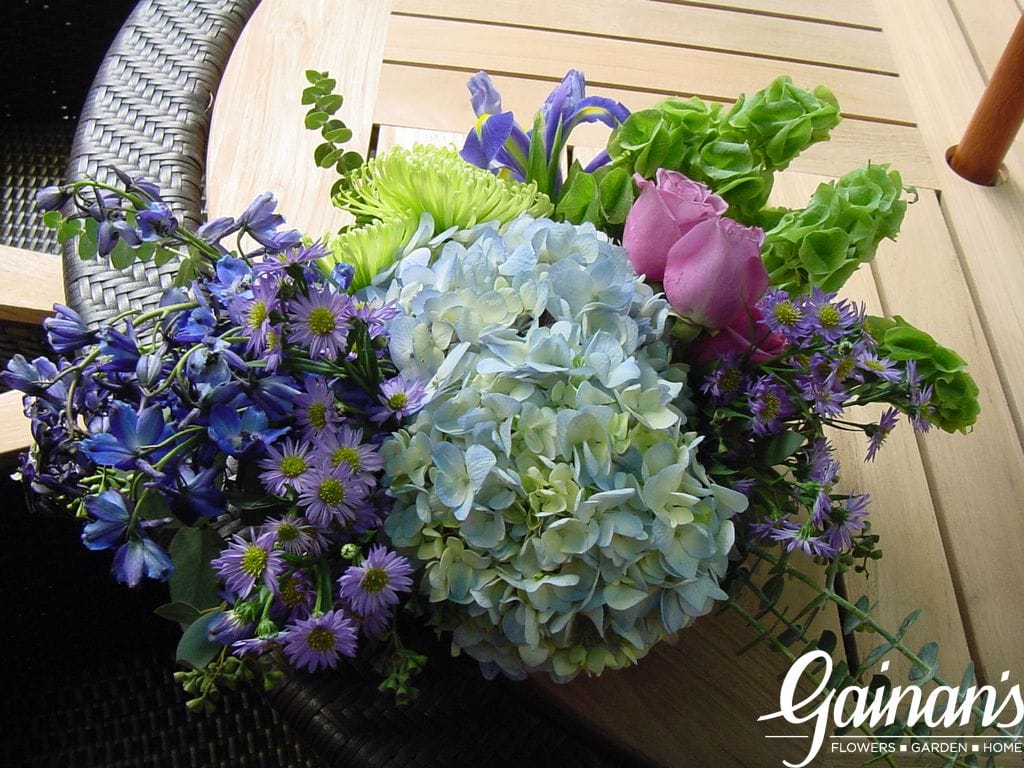
If you want a cohesive color palette in your arrangement, consider using the analogous formula. To create this pattern, simply choose three colours that are adjacent to each other on the floral colour wheel.A springtime arrangement of bouquets in shades of deep purple, blue-violet, and lavender.
Monochromatic
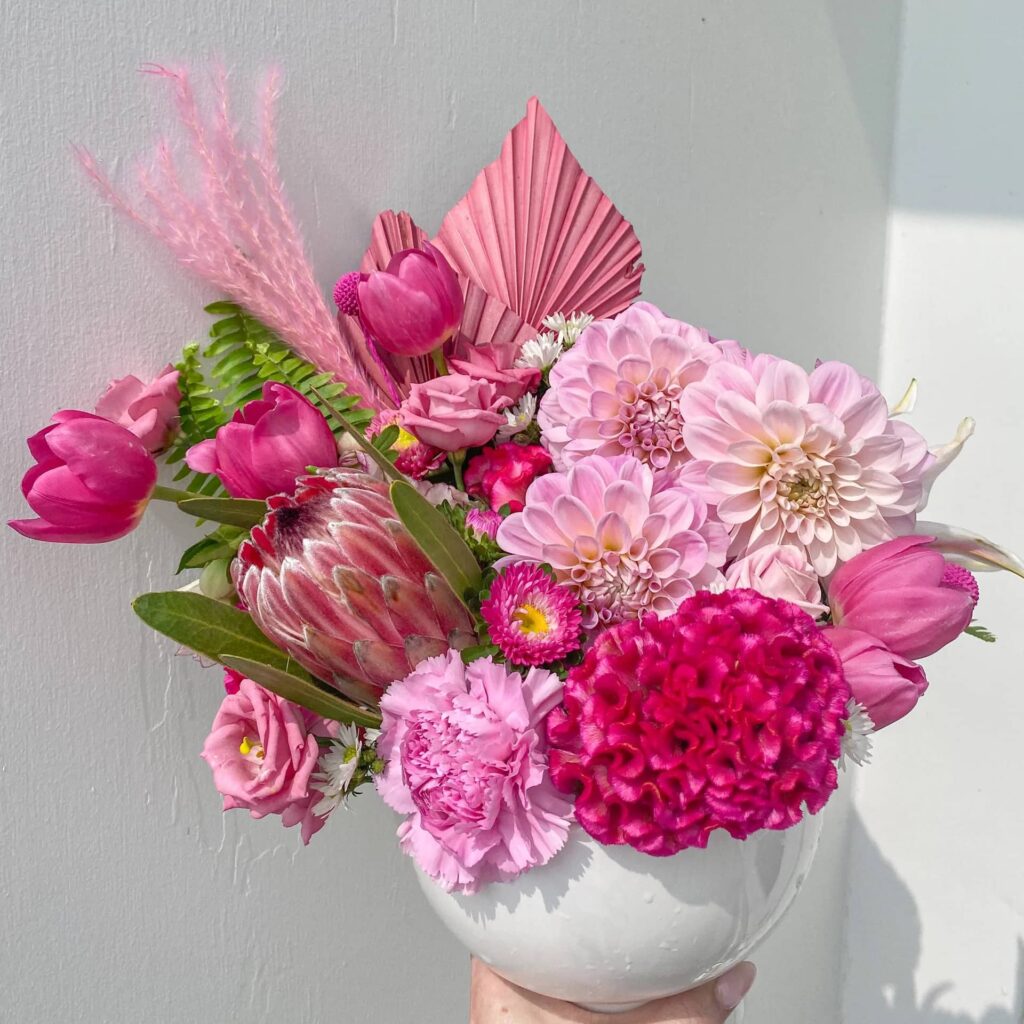
A monochromatic floral arrangement will certainly make a statement. To do this, select one color from the flower wheel and only use flowers within that hue family. This is an excellent way to let the texture and tone of the blooms take center stage.
Triadic

Triadic colour schemes are created by using three colors that are evenly spaced on the colour wheel. For example, you could use primary colours like red, blue, and yellow; or different shades like green, orange, and purple.
Pastels
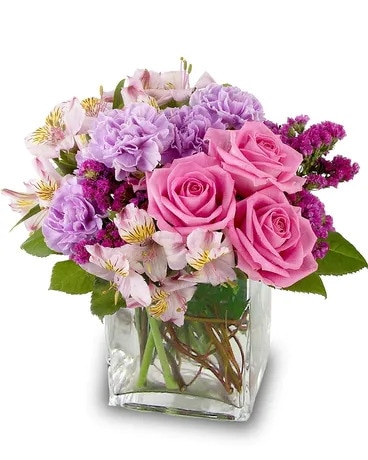
Incorporating soft pastel shades such as blush, pink, peach and cream into your flower arrangements is a great way to emphasize the petal texture and create a feeling of sweetness and romance. For a natural look, try adding some pale greens, yellows or lavender.
Floral Arrangements Using the Colour Wheel
You can make beautiful floral arrangements like the pros by knowing how to use the colour wheel. Or, even better, let us help you create a stunning arrangement for someone special or yourself. Our talented florists at Anastasia florist can work with you to select the perfect flowers and colours for a one-of-a-kind bouquet. Contact us today to get started!